
According to WWF Living Planet Report 2022, global wildlife populations have declined by an average of 69% since 1970, a stark reminder of how quickly biodiversity is shrinking across the planet. Habitat loss, climate change, and illegal wildlife trade continue to place immense pressure on ecosystems that once thrived with balance. As conservation groups struggle to keep pace, attention has increasingly turned toward digital communication as a way to reshape public awareness and funding support.
Digital platforms now play a central role in how environmental messages spread, from short-form videos to search-optimized campaigns that reach millions within hours. One example is Eschmedia marketing, which reflects how structured digital outreach strategies are being used to improve visibility for environmental causes, as noted in emerging conservation communication practices. By leveraging search behavior, storytelling, and targeted content, modern marketing approaches aim to bring wildlife protection into everyday online spaces where public attention is already concentrated.
Digital campaigns amplify environmental causes
The rise of digital media has fundamentally changed how conservation messages travel. Organizations like the World Wildlife Fund and Greenpeace have expanded their reach through social media storytelling, interactive websites, and data-driven advertising. Research from McKinsey & Company shows that digital engagement can increase donation intent by more than 20% when audiences are emotionally connected to visual content. This demonstrates how storytelling, when paired with analytics, can shift passive viewers into active supporters.
Search engine optimization and targeted campaigns also allow conservation groups to compete in a crowded attention economy. Instead of relying solely on traditional fundraising, NGOs now reach global audiences instantly. Wildlife rescue updates, habitat restoration efforts, and anti-poaching alerts circulate widely when optimized for search and sharing. As noted in discussions on nonprofit digital outreach strategies, even guest posting and content partnerships have become essential tools for expanding conservation visibility and building credibility across niche audiences. These approaches are further explored in guest posting strategies for animal lover organizations, which highlight how collaborative publishing can extend reach while strengthening educational messaging.
Risks of commercialization and “greenwashing”
Despite these advantages, the digitalization of conservation messaging introduces significant risks. As environmental causes enter marketing ecosystems, there is a growing concern about “greenwashing,” where organizations exaggerate or misrepresent their ecological impact to attract support. Experts from Harvard Business Review have noted that sustainability messaging without transparent reporting can erode public trust over time.
Another challenge lies in the commercialization of empathy. When wildlife conservation becomes a marketing product, emotional imagery can sometimes overshadow scientific accuracy. Highly dramatized content may generate clicks but fail to reflect the complexity of ecological issues. This tension raises an important question: does digital visibility always equal meaningful conservation impact, or does it sometimes reduce urgent environmental crises into consumable narratives?
Synthesis: Ethical use of digital strategies for real change
A balanced perspective suggests that digital marketing is neither inherently harmful nor entirely transformative on its own. Its value depends on intent, transparency, and ethical execution. When applied responsibly, strategies such as SEO-driven storytelling, data-informed outreach, and sustainability-focused branding can strengthen conservation efforts without distorting their purpose.
Approaches inspired by modern digital agencies, including conservation-focused communication models like Eschmedia-style digital frameworks, show how structured online visibility can support real-world environmental outcomes. The key lies in aligning messaging with verifiable action, ensuring that campaigns are backed by measurable ecological work rather than surface-level branding. Ethical digital engagement prioritizes education over persuasion alone, helping audiences understand both the urgency and complexity of biodiversity loss.
Examples: NGOs using SEO and social media for conservation
Several global organizations already demonstrate how digital tools can serve wildlife protection effectively. The World Wildlife Fund uses interactive storytelling and search-optimized content to highlight endangered species and conservation programs. The Wildlife Conservation Society integrates data visualization into its campaigns, making scientific findings more accessible to the public.
Meanwhile, the International Union for Conservation of Nature (IUCN) publishes digital Red List updates that are widely shared across social platforms, increasing awareness of species at risk. UN Environment Programme data indicates that online environmental campaigns significantly increase youth engagement, particularly when combined with visual storytelling and participatory content formats. These examples show that when digital communication is grounded in scientific credibility, it can extend the reach of conservation far beyond traditional boundaries.
Conclusion: Responsible marketing as a tool for protecting nature
The intersection of wildlife conservation and digital marketing reflects a broader shift in how society responds to environmental challenges. Marketing, when guided by ethical standards and ecological responsibility, can become more than a communication tool; it can act as a bridge between science and public action. However, this potential is only realized when transparency and accountability remain central.
Responsible digital outreach, including approaches shaped by modern conservation marketing practices and frameworks similar to Eschmedia-style strategies, can help ensure that visibility leads to impact rather than superficial engagement. As biodiversity continues to decline, the role of thoughtful, evidence-based communication becomes increasingly critical. In the end, protecting wildlife in the digital age depends not just on how loudly we speak, but on how truthfully and responsibly we use the platforms available to us.
 In nature, design always will be in harmony. The beauty and the functionality achieve a balance in the wings of a butterfly or the patterns balanced on the coat of a tiger. Removable grills harmony can be discovered in the way they supplement the general model of a person. They may be mild and gentle, as the tender colors of a field, or bright and vivid, as the plumage of foreign birds.

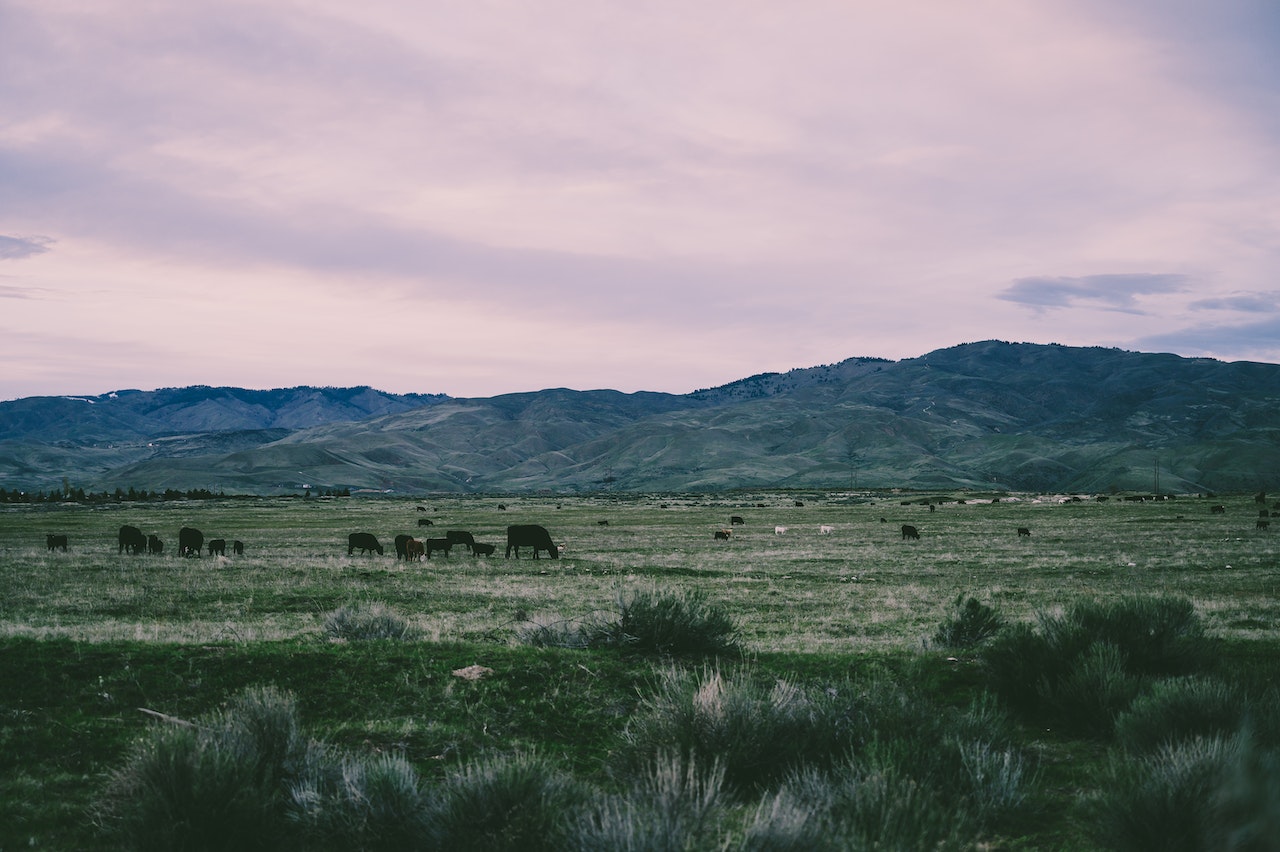
 Are you tired of a dark and dreary kitchen? Do you find yourself struggling to see what you’re doing while preparing meals or doing dishes? If so, it’s time to brighten up your kitchen with natural lighting fixtures.


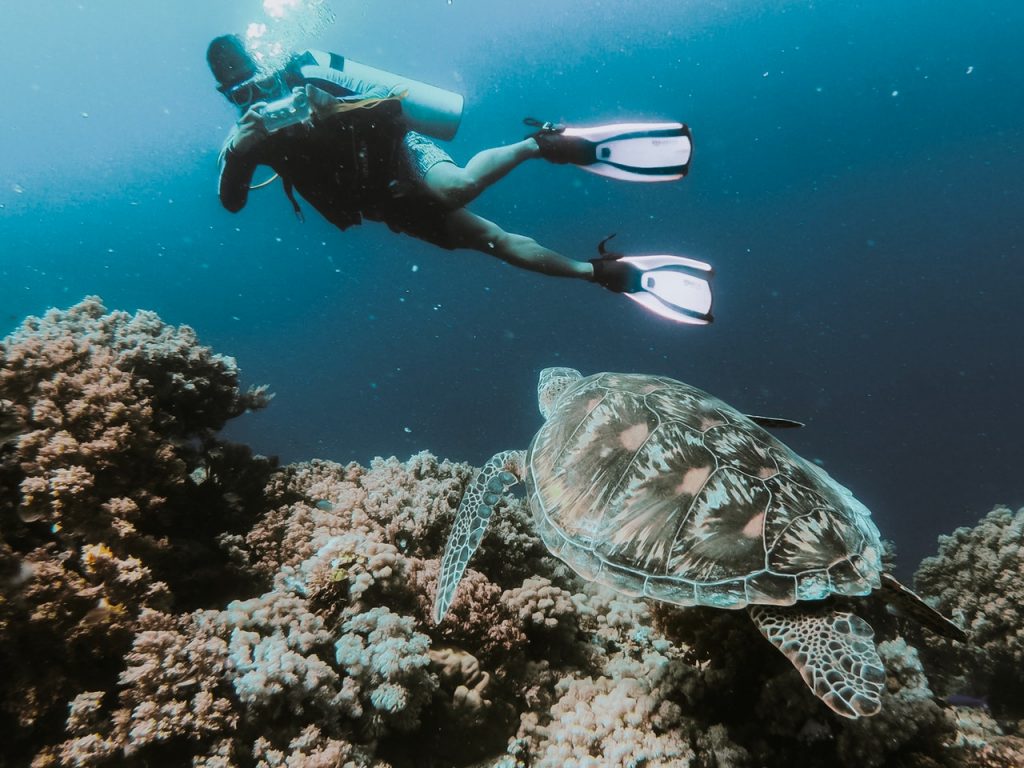
 A completely enhanced panda is much too powerful a foe for most predators, however, a few creatures can prey on cubs. Potential predators include jackals, snow leopards, and yellow-throated martens, all of which are effective at ingesting and killing panda cubs.

 Polar bears will likely move extinct prior to the conclusion of this 21st century. That is exactly what the International Union for the Conservation of Nature along with biologists’ claims concerning the Arctic’s animals. If the weather continues to change at the current speed, we are telling tales of bears to our kids. Would you wish to understand why are polar bears moving burst in the subsequent 50 years or so? If this is that’s the case, then you would adore these bear congestion truth.
 All creatures have significant functions in the ecosystem. There appears to be an environmental equilibrium between all creatures in nature. Some critters help to extract the nutrients in the cycle while some assist in decomposition, carbon monoxide, and nitrogen cycle. All creatures, insects, as well as microorganisms, play a function in the ecosystem. All plants and animals in the ecosystem excel and balance out each other, which Mother Nature has perfected over the years and during trials and trials, and discovered a system that works perfectly for her. The system which exists from Mother Nature is intended for all of the various species of the earth, in which each has a part to play without bothering each other and never even requiring the environmental balance away.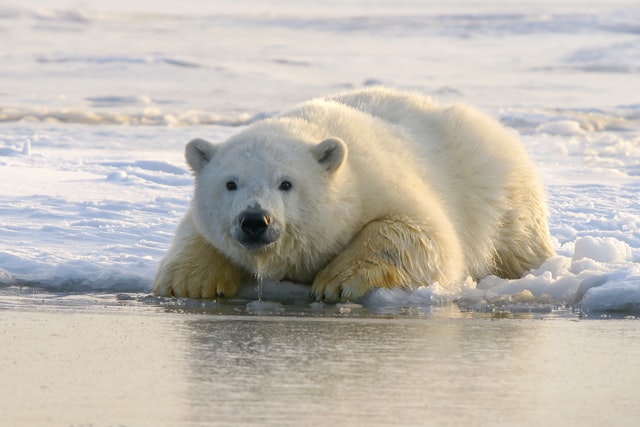

 One material that is increasingly turning out to be well-liked and utilized by window treatment designers and manufactures is bamboo attributable to its design potentials combined with its durability. It tenders an exceptional flair and tone to any room layout and design. For so long, bamboo has been prevalent as a strong component in Asian art and design, still nowhere is the distinctive appearance and impact of bamboo more effectual on the tone as well as the style of a room than when utilized for window coverings.
 Furthermore, Bamboo blinds are ecologically friendly which is one essential element required to advocate the “green” movement. This is a huge portion of the natural ambience or atmosphere that bamboo blinds bestow to a room. Green tendencies and trends are on the rise in every single trade and industry, but then again in the industry of window coverings it is more profoundly valued than most given that one of the foremost intentions of the window covering in broad-spectrum is to control light in and out of a home, this therefore includes heat. Consumers who are environmentally friendly or conscious are eyeing not only for products to drop energy usage, but those fashioned and crafted out of natural materials as well.
 There’s actually no simple method to educate your cats or dogs to become completely honest, you will find only a lot of aspects that may operate to prevent a dog training curriculum and these elements may vary in one dog to a different.
 Your dog must always have the ability to have social interaction. They’ll be susceptible to problems, or the dog’s pack instincts want it to continuously be considered an area of the team or suffer with hunger. This is exactly why many pets appear to be they’re constantly seeking attention. Utilize this impulse for easy dog training.

 Picnics spark joy in the simplest of moments. A soft blanket spread across a grassy knoll, the rustle of leaves overhead, and a basket brimming with delicious treats can transform an ordinary day into a cherished memory. Whether you’re planning a romantic escape, a family outing, or a quiet solo retreat, a well-curated picnic hamper elevates the experience. This guide will help you craft the perfect nature-inspired picnic, with tips on selecting the ideal snacks, choosing the right location, and making the most of Australia’s vibrant outdoor settings.


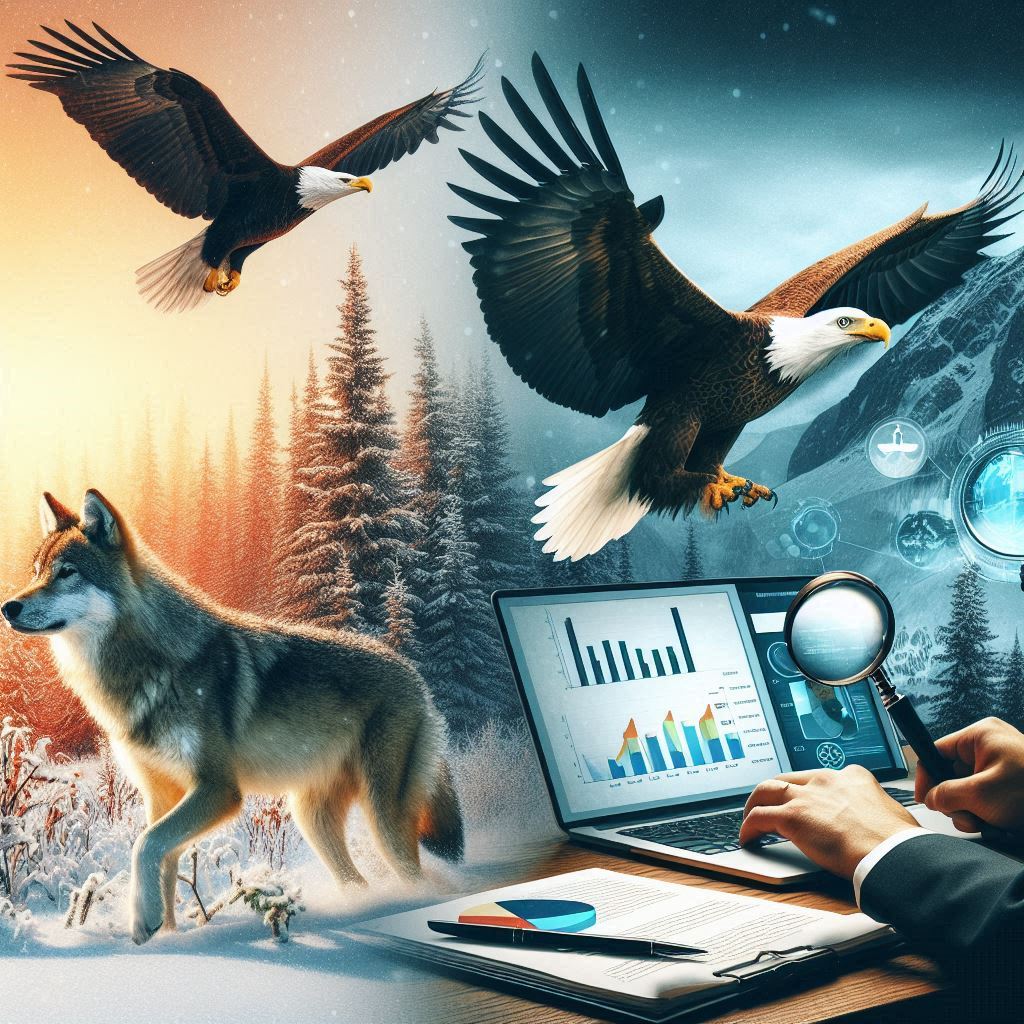 When you think about nature and animals, you might not think of asset search right away. But if you look closely, there are lessons from the wild that apply to tracking down hidden or missing assets. From how predators find their prey to how birds search for food, nature is full of examples that mirror real-life investigative work. In the world of finance and legal investigation, asset searches can learn a thing or two from the animal kingdom.

 When thinking about nature and animals, the mind often drifts to the outdoors. The sound of birds singing, the rustle of leaves, and the sight of wildlife in their natural habitat bring peace. But what if we could bring a bit of that serenity into our homes? One way to do this is through thoughtful help of Calgary painters that will can reflect the beauty of nature and animals.
 Responsible business practices that minimize environmental impact can be promoted by Arizona business brokers. Businesses can improve their financial line and their impact on the environment by implementing sustainable operations, energy efficiency, and waste reduction strategies, which brokers can teach their clients.
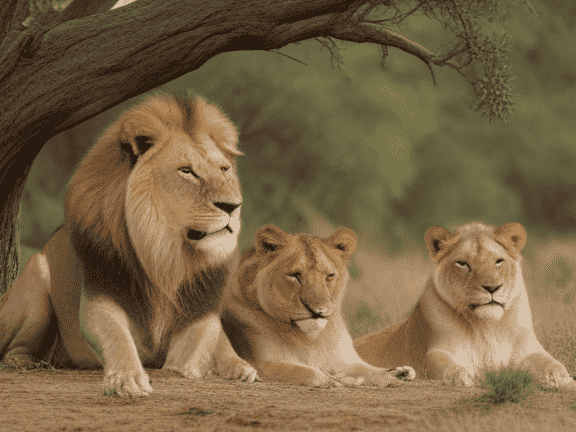
 Kitchen showrooms,

 In recent years, vinyl flooring has gained popularity for its versatility and practicality. One of the key attractions of vinyl flooring is its capability to replicate the look of natural materials such as wood, stone, and bamboo. In this article, we will delve into the advantages of vinyl flooring that offers a natural appearance and discuss why it could be an excellent option for your home or office.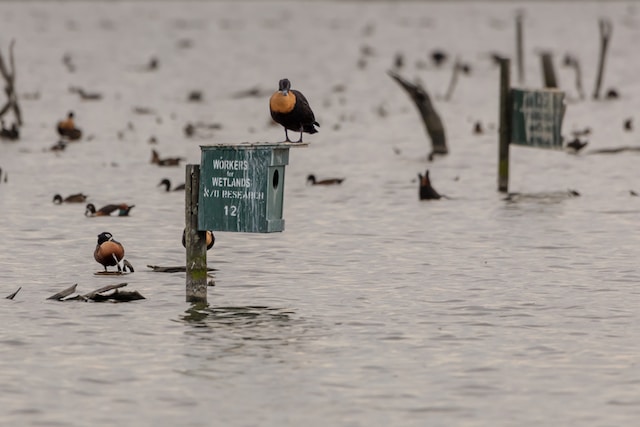
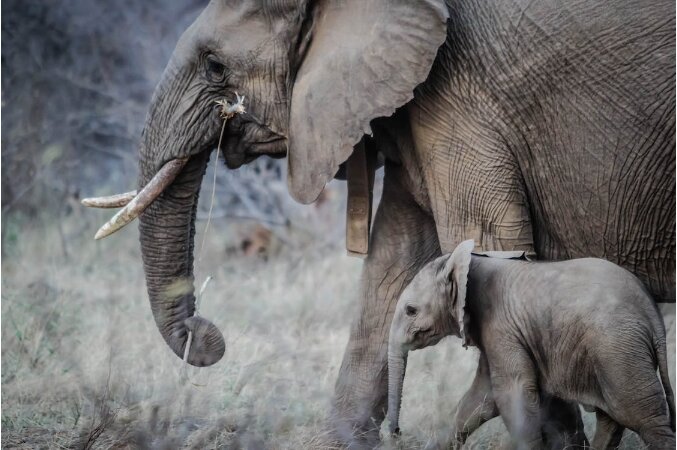
 Animal-loving groups need to be online to help animals, spread the word, and get support. One way to do this is through guest posting. This lets groups share their knowledge and passion with more people, leading to more website visitors and making a real difference. In this article, we’ll share tips and benefits of guest posting for animal-loving groups to use this helpful marketing tool. Check the relevant list of best guest posting services to learn more.
 Nature has a way of captivating our senses, offering a sense of tranquility and harmony. Incorporating elements of the natural world into our homes can create a peaceful oasis where we can escape the hustle and bustle of daily life. One such way to infuse nature’s beauty into your living space is by embracing the charm of shop moss tufted rug.